




What Is Full-Stack Development with AI? Full-stack development with AI combines frontend interfaces, backend logic, databases, and artificial intelligence to build intelligent and automated web applications.
Modern applications no longer rely only on static logic. AI adds decision-making capabilities such as predictions, recommendations, and automation.
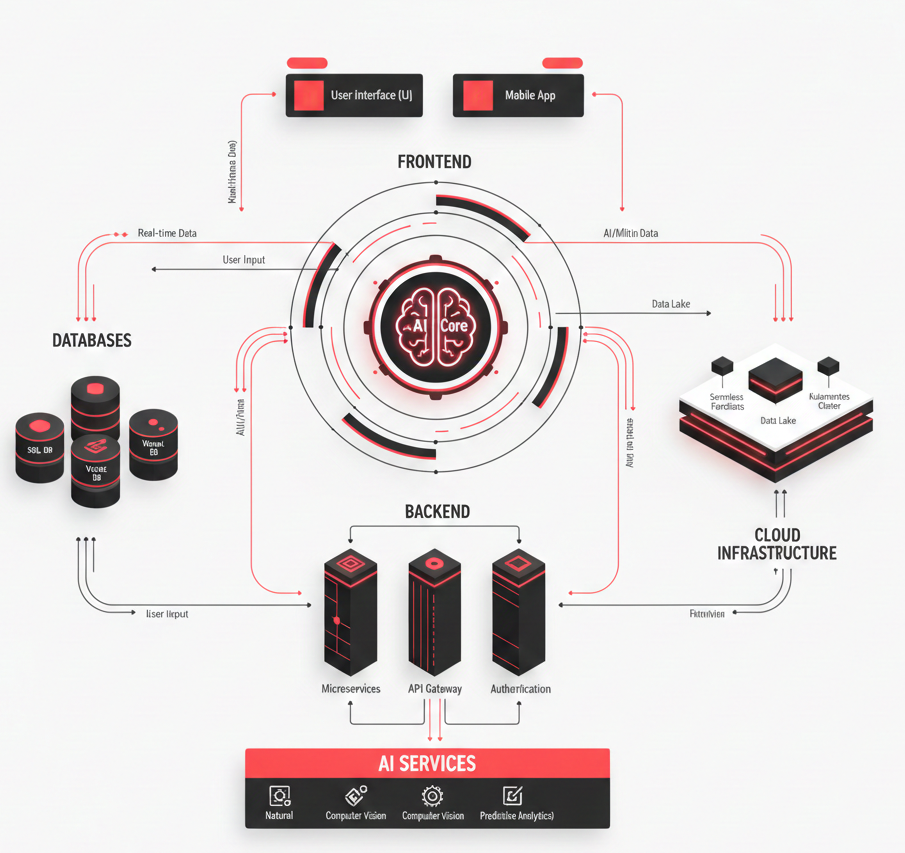
Core Components of an AI Full-Stack Application A modern AI-powered app consists of multiple interconnected layers.
- Frontend: User interfaces built with React, Next.js, or similar frameworks.
- Backend: APIs and services built using Node.js, Express, or serverless platforms.
- Database: Stores users, content, logs, and AI-generated data.
- AI Layer: Machine learning models or AI APIs that provide intelligence and automation.
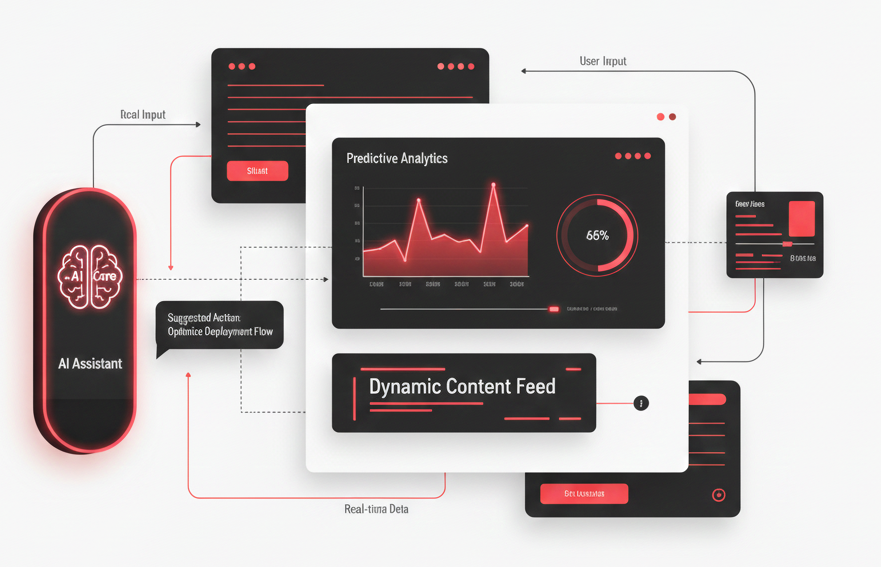
Frontend Development with AI AI enhances frontend experiences by making interfaces more adaptive and personalized.
- AI-powered search, recommendations, and filtering.
- Smart UI behavior based on user interaction history.
- Dynamic content rendering using AI insights.
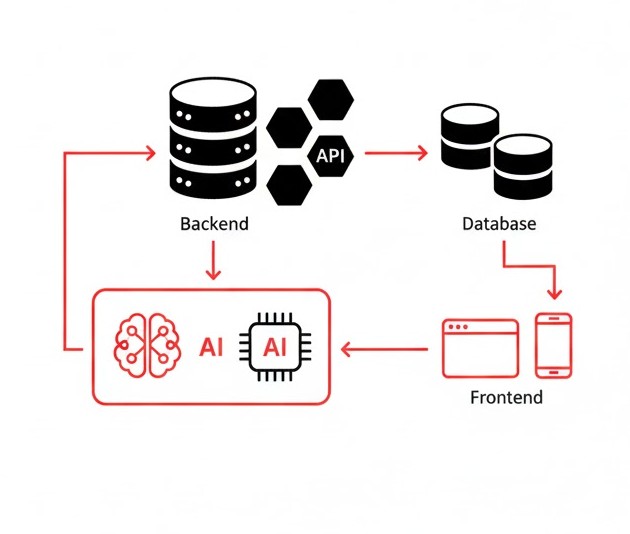
Backend + AI Integration The backend connects frontend apps with AI services and databases.
- AI-powered APIs for predictions, recommendations, and automation.
- Secure processing of user data and AI responses.
- Efficient handling of AI latency and performance.
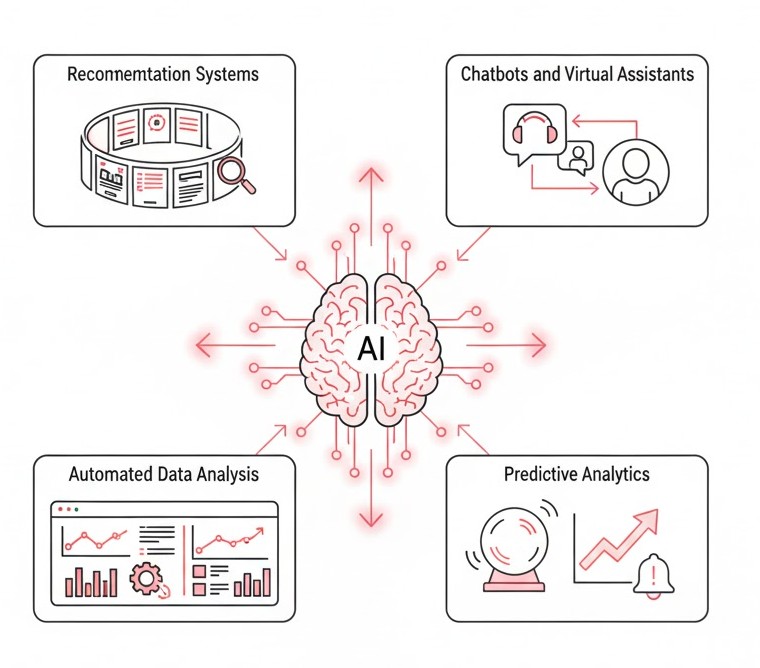
Common AI Use Cases in Full-Stack Applications AI expands what applications can do.
- Recommendation engines (products, courses, content).
- Chatbots and AI assistants.
- Fraud detection and user behavior analysis.
- Automated reporting and insights.
Best Practices for AI Full-Stack Development
- Use modular and scalable architecture.
- Secure AI endpoints and sensitive data.
- Monitor AI costs, performance, and accuracy.
- Continuously improve models and logic.
Final Thoughts Full-stack development with AI represents the future of software development. Learning these skills enables developers to build intelligent products and stay ahead in the tech industry.